
Happy YC Demo Day to those who celebrate! In keeping with the tradition, I built a project using a dozen dev tool & infrastructure companies from the YC S24 batch. This time, I built an AI-powered legal assistant for founders and investors. Briefcase can help you answer legal questions, summarize documents, and tell you how much it would cost to hire a lawyer for a particular question or task.
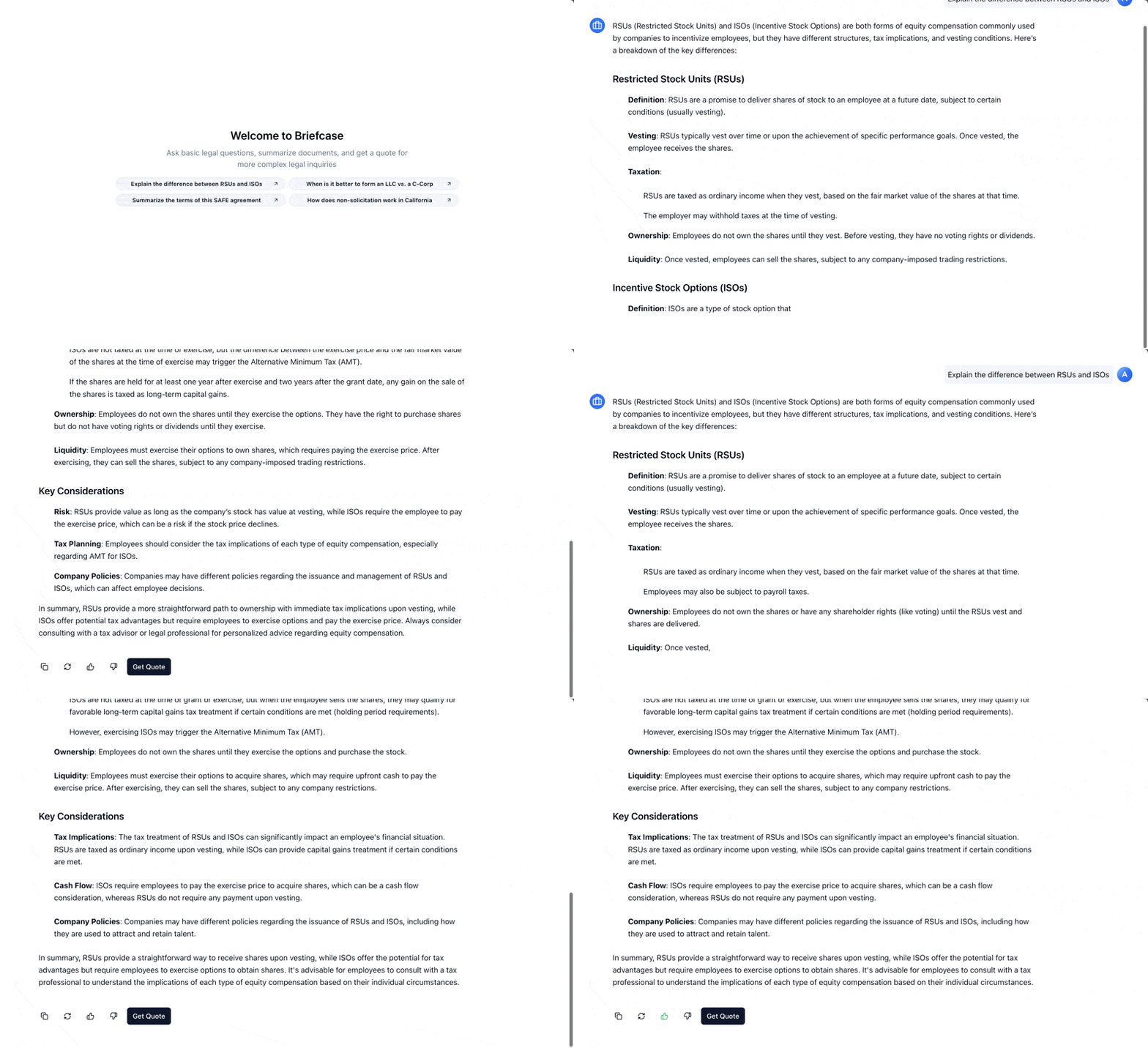
While building it, I used the following companies from the YC S24 batch:
- Codeviz is a codebase visualization tool. I used it to map out Briefcase's architecture.
- Freestyle is an open-source framework, runtime, and cloud for TypeScript applications. I used it to build Briefcase.
- Haystack is a canvas-based IDE. I tried it out while building Briefcase.
- Magicode is an AI pair programming tool. I tried it out on a few small features.
- Melty is an open-source AI-powered code editor. I used it to ask questions of my codebase.
- Patched is an open-source framework to automate code reviews, docs, and patches. I used it for style and security checks.
- Polymet helps non-designers create production-ready designs. I used it to design the quoting interface.
- Quetzal is an internationalization platform. I used it to add French translations to Briefcase.
- Spur is an AI QA engineer. I used it to create a test suite for Briefcase.
- Wordware is a platform for building AI agents. I used it to generate tweets from this blog post.
- Zeropath automatically patches security vulnerabilities. I used it to identify and fix security vulnerabilities in my codebase.
- Zigma is a platform to create and manage design systems. I used it to help manage the design system for Briefcase.
I also used Braintrust1 for prompt management, logging, and evals, Cursor for codegen, OpenAI GPT-4o-mini for completions, Shadcn for UI components, Stripe for payments, and Vercel2 for hosting.
As you may have noticed, these are all AI tools. This underscores a broader trend in the industry: every company is becoming an AI company. In the following sections, I'll share my observations from working with the companies in the batch and takeaways for other founders building with AI.
AI is your new teammate
Traditionally, building a robust product has required assembling a team of specialists—security experts to safeguard the application, DevOps engineers to manage infrastructure, QA professionals to ensure quality, and so on. Now, given the emergent capabilities of LLMs, specialized AI agents are effectively capable of performing these roles with minimal oversight.
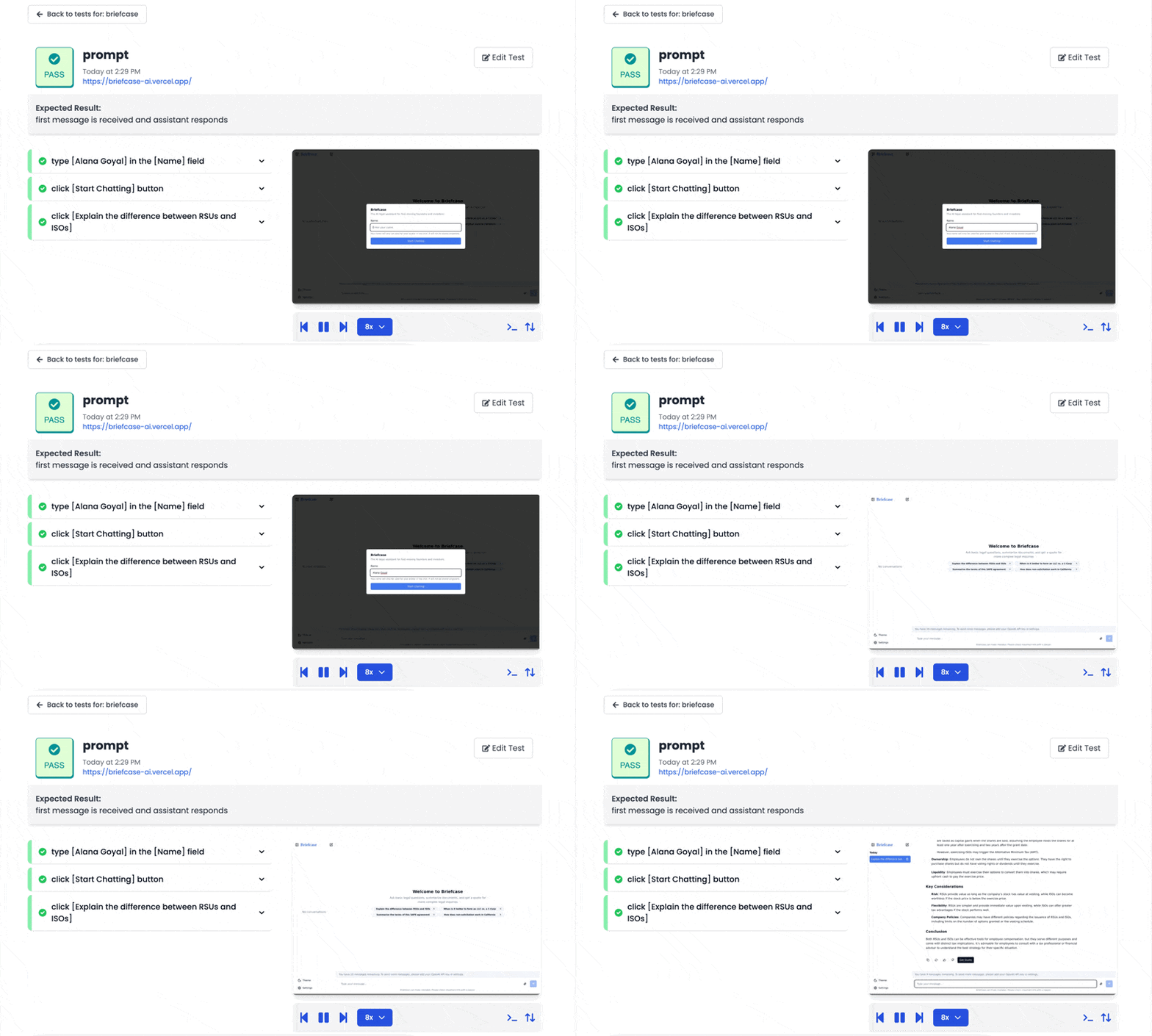
Spur, for example, is an AI QA engineer that rigorously tests applications and uncovers potential issues that might otherwise slip through the cracks. It was super easy to set up tests in Spur with natural language and put QA on autopilot. You can even take a Loom video of a test interaction and upload it to Spur to generate the test for you.
Zeropath and Patched are automated security experts that identify and patch vulnerabilities in codebases. Security is not my strong suit, so these tools were invaluable in identifying and fixing security vulnerabilities in my codebase with minimal effort.
I think there's a huge opportunity to build more "AI teammates"—in dev tools and beyond.
Invisible, but indispensible
There's nothing more precious than flow state. When I'm in the zone, the last thing I want to do is switch context. For that reason, I'm a big fan of products that integrate directly into my workflow and meet me where I'm at (which is usually Cursor, GitHub, or Vercel). There were several companies in the S24 batch that nailed this.
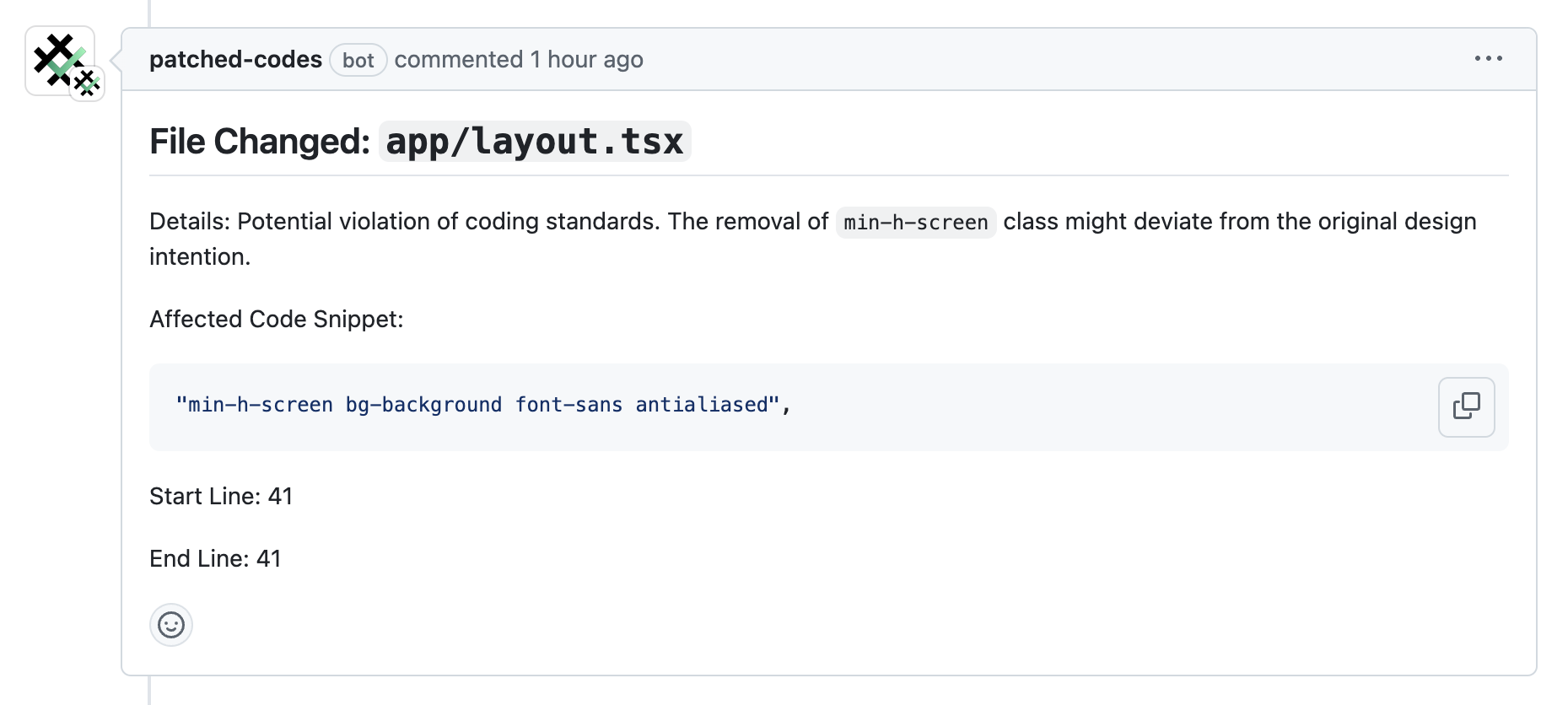
Patched and Zeropath both integrate directly into GitHub, automatically updating documentation and reviewing code with every pull request. Both became an integral part of my development process without requiring me to consciously switch to a separate tool or platform.
Zigma, a platform for managing design systems, did this well too. Zigma integrates directly with Figma and GitHub to keep your design system up to date. Once I connected my repo and installed the CLI, I could manage my design system seamlessly without needing go back into the product.
More than ever before, AI allows companies to be invisible, but indispensible. I suspect we'll see more of this in the future as AI becomes more pervasive.
The bar is high
AI-powered design and code generation tools like Cursor, Claude, and V0 have gotten really, really good. For a new design or codegen tool to be compelling, it needs to not only meet, but surpass an incredibly high bar. Several companies from the S24 batch were up to the challenge.
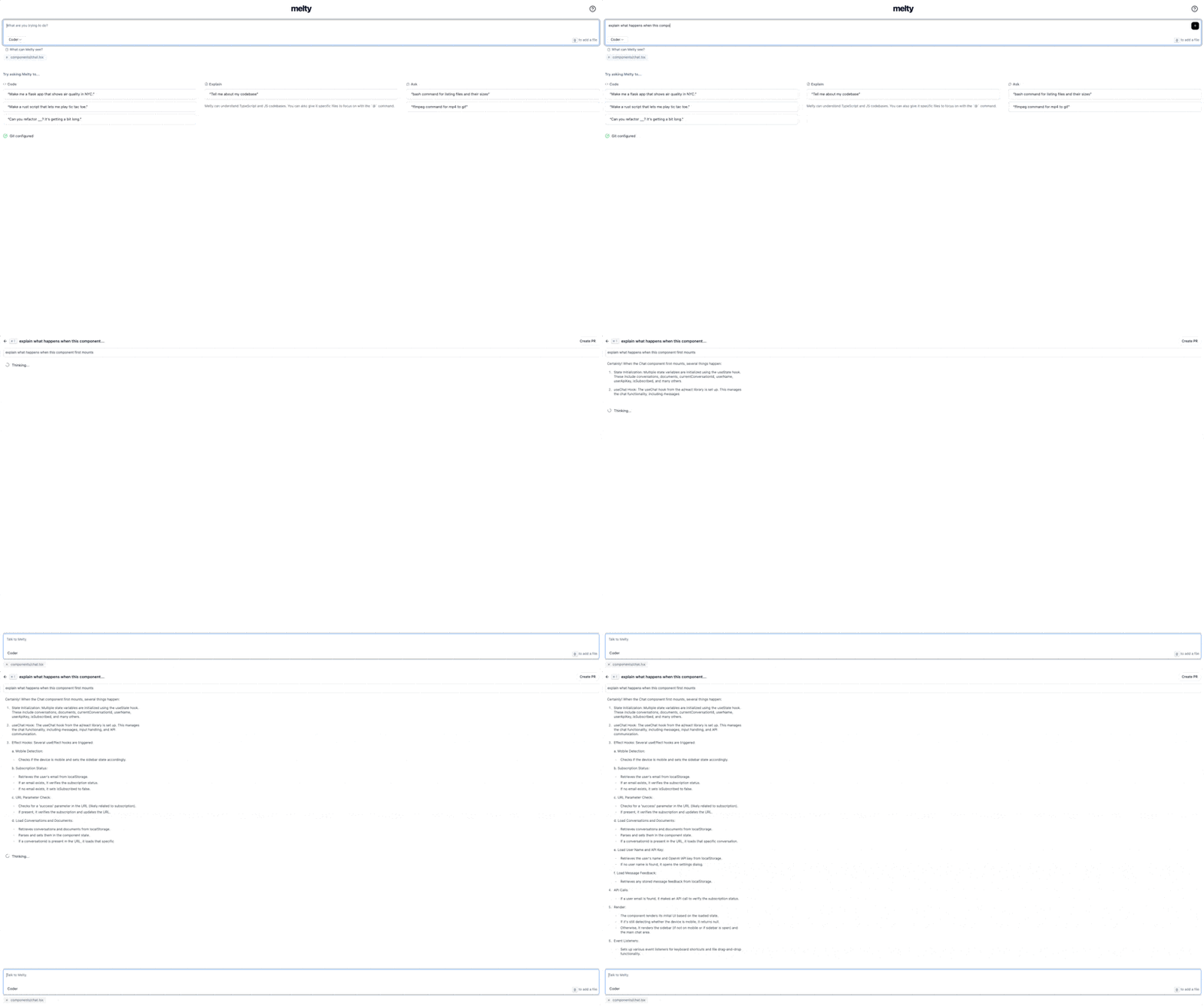
Codeviz, Haystack, Magicode, and Melty are AI-native codegen tools. I was really impressed by certain attributes of each of them, like Magicode's @browser feature, which browses the web to answer your question or Melty's explain feature, which gives concise and clear explanations of your code. That being said, I'd be lying if I didn't say that I went back to Cursor for most of my development. I'm eager to see how these tools progress and give them another shot in a few months.
Polymet is an AI product design tool that aims to help non-designers create production-ready designs. I was pretty impressed by the designs it produced, which were more unique and modern than anything I'd seen from existing products.
As this space continues to evolve, I'm excited to see more founders take big swings at the next-generation of AI-native dev and design tools. They certainly have a high bar to clear, but the opportunity is huge.
The new table stakes
As with any major technology shift, the early products have quickly shaped users' expectations. Thanks to viral products like ChatGPT and GitHub Copilot, chat and copilot are now table stakes features for any AI-powered tool. Steven Tey articulated this well when he tweeted: "I now intuitively hit 'tab' on any text editor on the web". A few companies stood out to me for their intuitive and helpful AI features.
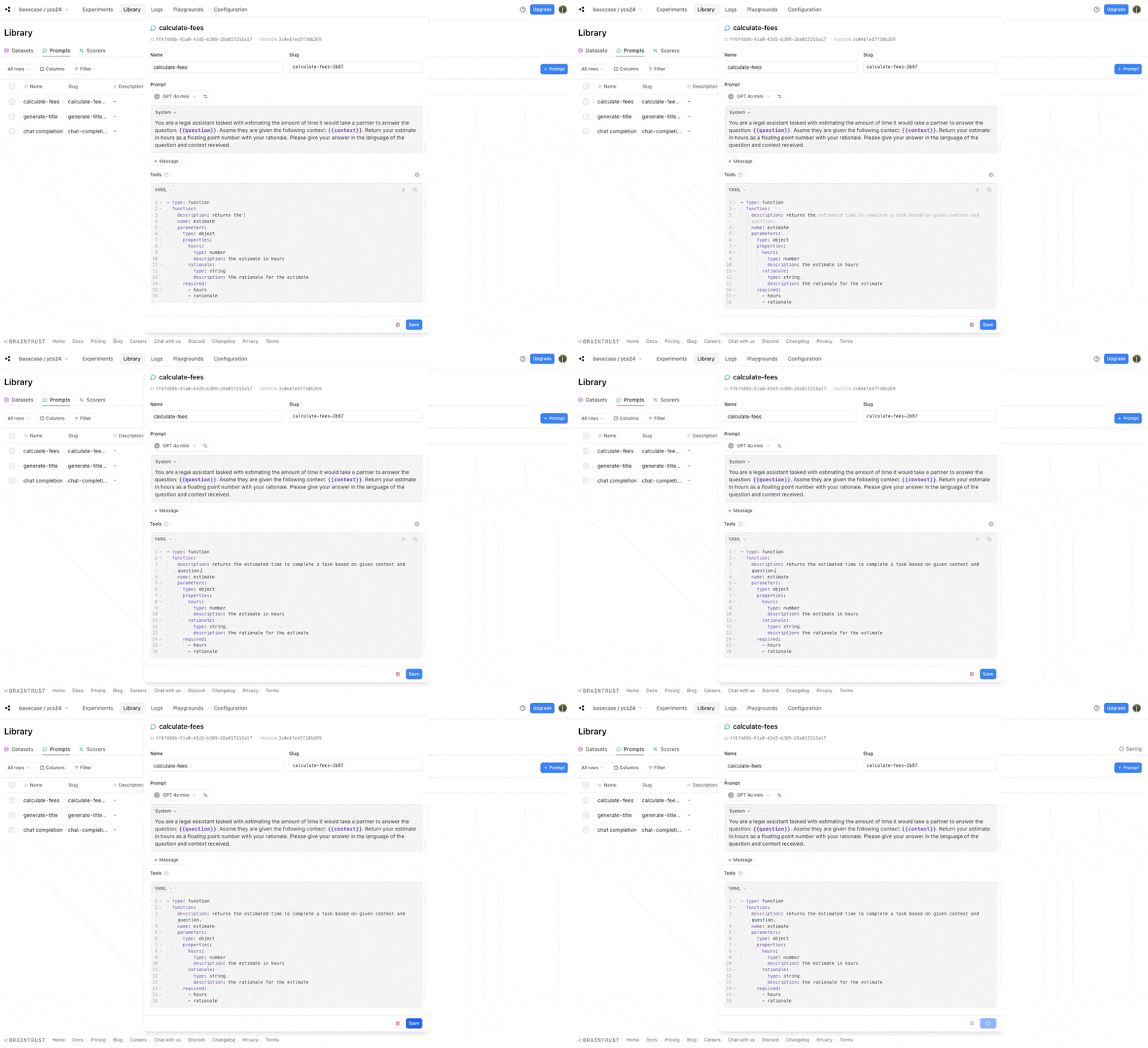
Braintrust, for example, has a copilot that uses its deep understanding of your project to autocomplete any text input throughout the dashboard. It can use knowledge from your datasets to help you write better prompts in the playground or knowledge of your prompt to help you write a tool call.
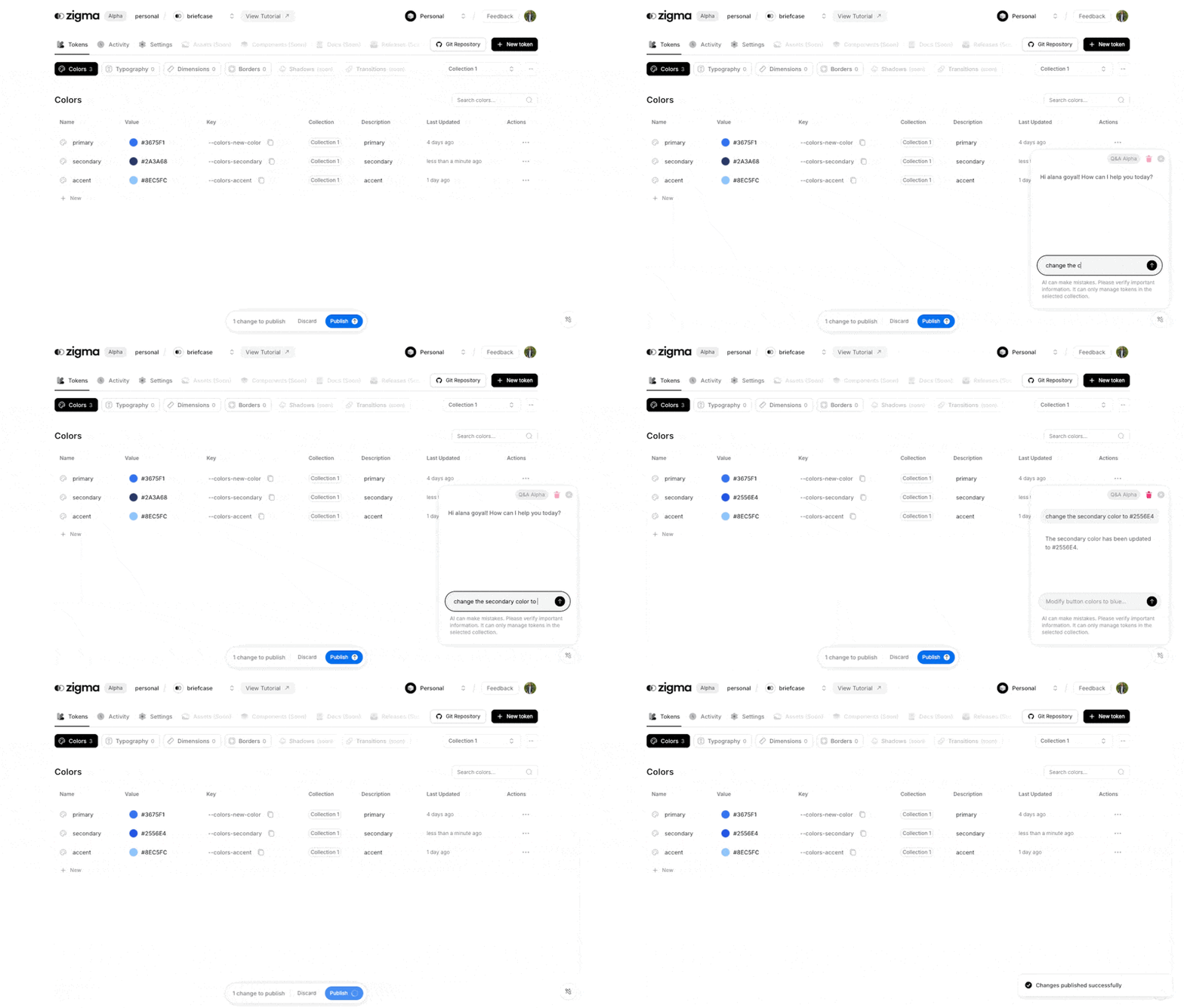
Zigma has a chat feature that allows users to interact with their design system effortlessly in natural language. With a few words and a single click to deploy, Zigma's AI makes it incredibly easy to get started with a robust design system.
I often think back to how products like Figma and Notion revolutionized real-time collaboration—once you've experienced it, anything less feels inadequate.
A different kind of developer experience
While the adoption of AI-powered code generation continues to rise, developer experience is rapidly evolving. In previous iterations of this exercise, I've highlighted companies with beautiful documentation and well-designed SDKs. This time, I honestly can't say I spent too much time reading docs or studying SDKs—Cursor did most of the work for me. While the fundamentals of building great dev tools still matter, founders should consider how their product is consumed and how best to serve that user—whether that's a human developer or an LLM tasked with writing code.
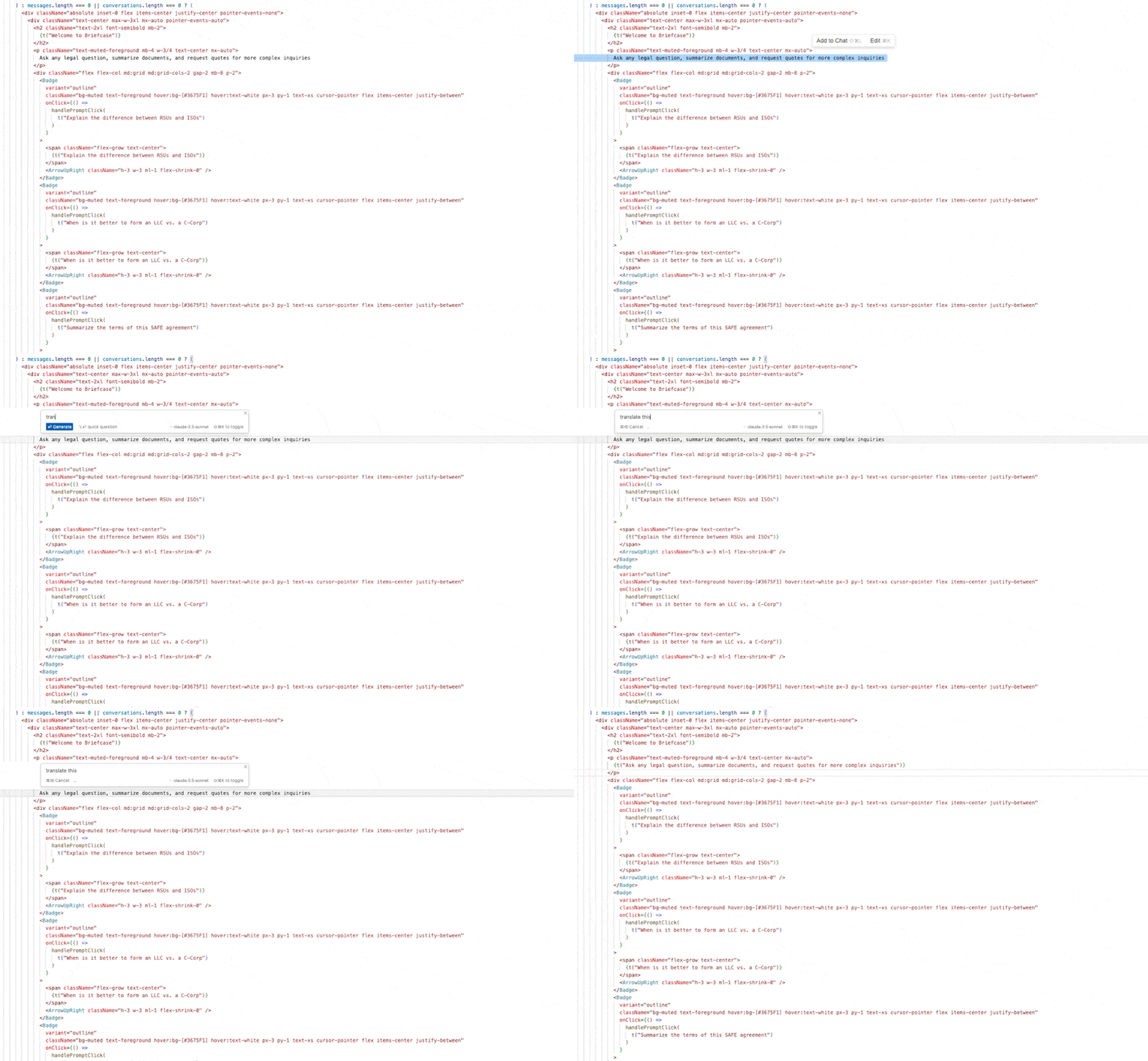
Quetzal, a tool for localization, has an incredible AI-native developer experience. With one click of a button, it picks up translatable strings and wraps them in a function to be translated. The SDK is so simple that Cursor could easily pick up on it and start translating strings I missed.
Freestyle, an open-source framework, runtime, and cloud for TypeScript applications, is another example. While its concepts are novel, I rarely had to consult the docs because the primitives were simple and easy for any LLM to understand.
In this new era, the most successful dev tool companies will be those that understand and embrace these changes, delivering tools that allow both developers and language models to work together effectively.
Closing thoughts
From AI pair programmers to agent frameworks, these companies have some super ambitious aspirations and I'm excited to see where they go.
One of my favorite parts of this exercise is getting to build alongside the founders in the batch and witness their relentless effort to make something people want™️. One founder sent me a new zip file of his product each week. Another gave me access on a Vercel preview link. Many read through page-long stack traces and debugged errors with me over email, Slack, and Twitter DMs. It's always fun to remember that the products we use every day are built by real people who are grinding every day to help us be more productive.
As with all of my projects, I invite anyone to collaborate on Briefcase. It's open-source and available on GitHub, so feel free to explore, contribute, or use it as a starting point for your own AI chatbot.
Lastly, thank you to Ankur Goyal, Darsh Desai, Eden Halperin, Jacob Schein, Jeff Weinstein, Jordan Singer, & Nico Albanese for being beta testers and providing early feedback on this project.
Footnotes
-
I'm an investor in Braintrust ↩